How to Style Heels Without Foot Pain
A stylish pair of heels can instantly sharpen a saree, make office trousers look more polished, or give a simple dress the finishing touch it needs. The problem often starts a few hours later—your toes feel squeezed, the balls of your feet begin to ache, and suddenly every empty chair looks inviting.
For Indian women, heels may be part of everything from office wear and business meetings to weddings, festive functions and evening outings. Giving them up completely is not always necessary. The smarter approach is to choose the right heel, create balanced outfits and make comfort part of your styling decision. Heel height, shoe shape, fit and even the surface you will walk on can make a noticeable difference.
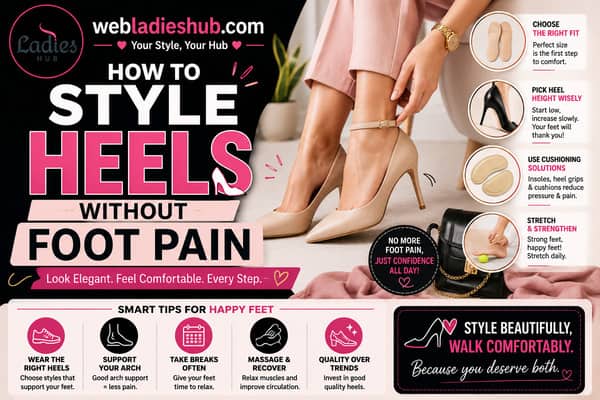
Here is how to style heels without foot pain while keeping your outfit elegant and practical.
Quick Overview: Styling Heels Comfortably
| Factor | Practical Choice |
|---|---|
| Comfortable heel height | Low to moderate heels for longer wear |
| Stable styles | Block heels, wedges and platforms |
| Toe area | Roomy or well-shaped toe box |
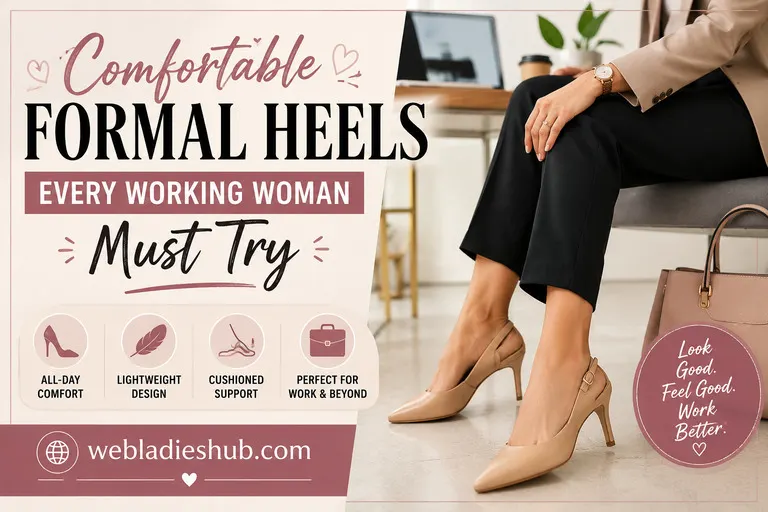
| Office styling | Kitten or block heels with trousers, dresses or sarees |
| Traditional outfits | Block heels or wedges with sarees and suits |
| Long events | Carry flats or choose lower heels |
| Added comfort | Cushioned insoles or gel pads where suitable |
| Correct fit | Secure fit without squeezing toes |
| New heels | Wear them at home before a long event |
Start With the Right Heel Height
The easiest way to make heels more wearable is to stop treating height as the main measure of style.
For regular office days, shopping trips or events involving plenty of standing, low or medium heels are generally more practical than very high stilettos. Kitten heels can provide a polished appearance without creating an extreme foot angle.
If you love additional height, platforms can be worth considering. A platform under the front of the shoe reduces the effective difference between the heel and forefoot, which may make some styles feel more manageable.
Save your highest heels for occasions where you know you will not have to walk or stand continuously.
Choose Block Heels for Long Events
Block heels are one of the easiest options to style when comfort matters. Their broader heel base provides more stability than a thin stiletto.
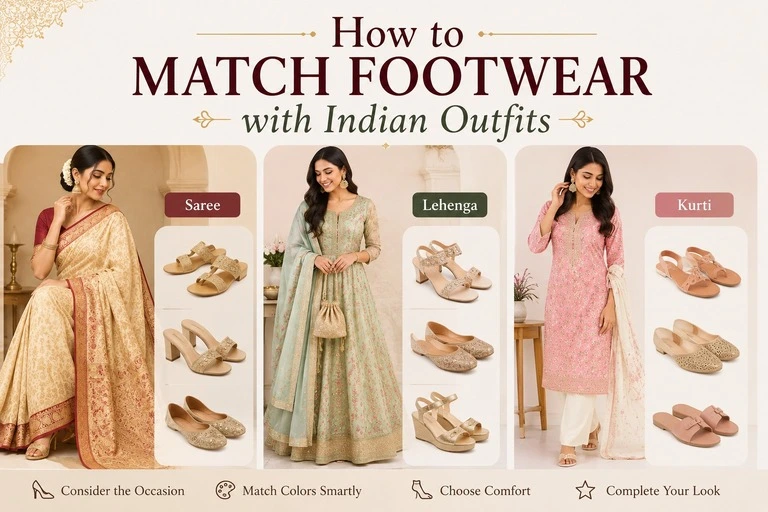
They work particularly well with Indian wardrobes. Try block heels with:
- Straight or wide-leg trousers for office wear
- Midi and maxi dresses for brunch or dinner
- Sarees for weddings and festive occasions
- Anarkali suits and sharara sets
- Jeans with a shirt or structured blazer
For outdoor weddings and lawns, block heels are also more practical because thin heels can sink into grass or uneven ground.
Give Your Toes Enough Space
A beautiful shoe that compresses your toes will become uncomfortable quickly.
Pointed-toe heels create a sharp, formal appearance, but the actual shoe construction matters. Your toes should not feel crushed together. If you frequently experience discomfort in pointed styles, consider almond-toe, round-toe or open-toe heels.
Never automatically buy a larger size just to create more toe space. An oversized heel may allow your foot to slide forward, creating a different set of problems. Look for a shoe shape that suits your foot width instead.
Match the Heel to the Occasion
Good heel styling starts before you get dressed. Ask yourself where you are going and how much walking or standing will be involved.
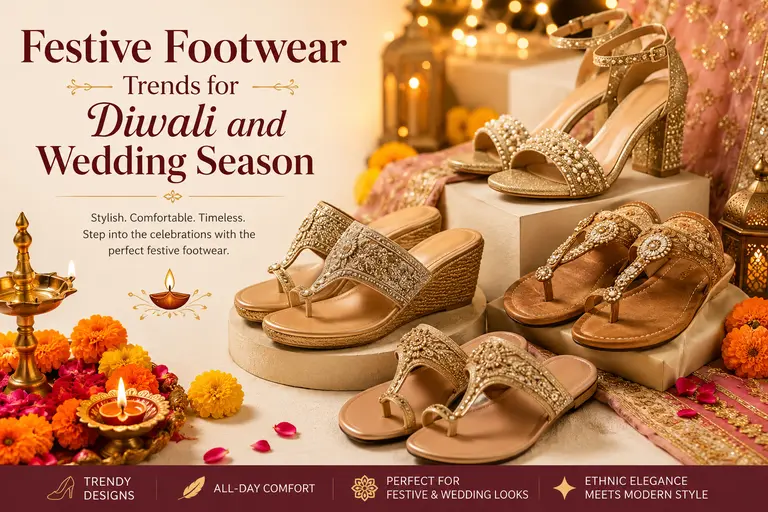
For an office presentation, kitten heels or medium block heels can look professional with tailored trousers and a tucked-in shirt. For a wedding where you may spend hours standing, walking and dancing, embellished block heels or wedges can complement ethnic wear while offering greater stability.
For a short dinner or formal event with limited walking, you may be comfortable experimenting with slimmer or higher heels.
The most stylish heel is not necessarily the highest one—it is the pair that allows you to move naturally throughout the occasion.
Use Cushioned Insoles and Gel Pads Carefully
Small comfort accessories can make certain heels easier to wear. Gel pads placed under the ball of the foot may provide additional cushioning, while heel grips can help if the back of the shoe rubs or slips slightly.
However, adding thick inserts to an already tight shoe can make it even tighter. Choose accessories according to the actual problem rather than filling the shoe with multiple pads.
If a heel is significantly too small, too narrow or poorly shaped for your foot, cushioning cannot correct the basic fit.
Break In New Heels Before Wearing Them Outside
A wedding, important meeting or full-day function should not be the first time you properly wear a new pair.
Try your heels at home for short periods on a clean surface. Walk, stand and sit in them to identify pressure points. This also tells you whether the ankle straps rub, your heel slips, or your toes slide forward.
Most importantly, you will discover problems while the shoes are still clean and potentially eligible for exchange.
Style Ankle-Strap Heels for Better Security
Ankle straps can make heels feel more secure because they help hold the foot in position. They pair beautifully with cropped trousers, midi dresses, skirts and outfits that leave the ankle visible.
With sarees or lehengas, choose straps that do not constantly catch on the hem or embellishments.
Make sure the strap is secure but not excessively tight. It should support your foot without digging into your skin.
Carry a Backup Pair for Weddings and Parties
Indian weddings can easily stretch for several hours. Even comfortable heels may start feeling tiring after prolonged standing or dancing.
If you want to wear statement heels for photographs and the main ceremony, keep foldable flats, juttis or comfortable sandals nearby for later. This gives you the freedom to change footwear instead of forcing yourself through unnecessary discomfort.
It is especially useful at destination weddings and large venues where walking distances can be longer than expected.
Know When Foot Pain Is a Warning
Temporary tiredness after a long day is different from repeated or severe foot pain. Do not continue wearing a particular pair simply because it looks good if it repeatedly causes significant pain, numbness, blisters or persistent discomfort.
Regular heel wearers can also rotate between different footwear styles instead of wearing high heels every day. Giving your feet a break with supportive flats, sneakers or lower heels can make your overall wardrobe more practical.
Persistent foot pain, swelling, numbness or pain that continues even when you are not wearing heels deserves professional medical evaluation.
FAQs
1. Which type of heels is best for wearing all day?
Lower block heels, kitten heels and some wedges are generally more practical for extended wear because they offer better stability than very high, thin heels. Correct sizing and adequate toe space are equally important.
2. Should I buy heels one size bigger to prevent foot pain?
Not automatically. Oversized heels can cause your feet to slide forward and may create rubbing or instability. Measure your feet and follow the specific brand’s size and width guide instead.
3. How can I wear heels comfortably at an Indian wedding?
Choose stable block heels, wedges or moderate-height heels, especially if the event involves standing and dancing. Break them in beforehand and carry comfortable flats, sandals or juttis as backup.
4. Why do the balls of my feet hurt when wearing heels?
Heels can shift more pressure toward the front of the foot, particularly as heel height increases. Lower heels, a better-fitting shoe and appropriate cushioning may help. If the pain is frequent, severe or persistent, consult a qualified healthcare professional.