Buying Guide: Flat Sandals for Summer
When temperatures rise, the right pair of sandals can make everyday dressing much easier. In India, summer often means long commutes, hot pavements, shopping trips, office hours, holidays and outdoor gatherings, so footwear needs to do more than simply look stylish. A beautiful pair of flat sandals may catch your eye, but if the straps rub, the sole offers little grip or your feet keep sliding forward, they can quickly become uncomfortable.
Flat sandals are popular because they are lightweight, easy to wear and suitable for many summer outfits. However, not every flat sandal is equally comfortable or practical. The best pair should fit your feet properly, provide enough support for your routine, allow reasonable airflow and suit the surfaces you regularly walk on.

From choosing the right sole and straps to finding materials that work well in hot weather, this buying guide explains what to look for when shopping for flat sandals for summer.
Flat Sandals Buying Guide at a Glance
| Feature | What to Look For |
|---|---|
| Fit | Secure without squeezing the feet |
| Toe Space | Toes should sit naturally within the footbed |
| Sole | Flexible, stable and suitable for daily use |
| Cushioning | Enough comfort for your walking routine |
| Straps | Soft, secure and free from rough edges |
| Material | Breathable and suitable for summer conditions |
| Grip | Textured outsole for better traction |
| Footbed | Comfortable shape with adequate support |
| Weight | Lightweight without feeling flimsy |
| Style | Suitable for your wardrobe and occasions |
| Maintenance | Easy to clean and dry |
Choose the Right Fit First
The most attractive sandal is not useful if it does not fit properly.
When trying flat sandals, make sure your heel sits comfortably on the footbed and your toes do not extend beyond the front. Your foot should also not hang significantly over either side.
Walk around for several minutes before making a decision. Pay attention to whether your feet slide forward or whether the straps start pressing into the skin.
Look for:
- Enough room for natural toe movement
- A secure heel position
- No painful pressure across the foot
- No excessive movement while walking
- A footbed wide enough for your feet
Do not automatically choose a larger size if the sandal feels narrow. A wider design may provide a better fit without unnecessary length.
Consider Your Daily Walking Routine
A sandal for a quick trip to a nearby shop does not necessarily need the same features as one you will wear throughout an entire day.
If you regularly walk several kilometres, commute by public transport or spend hours standing, look for a sandal with better cushioning, stability and grip.
For occasional use, a lighter and more decorative design may be perfectly practical.
Before buying, ask yourself:
- How many hours will I normally wear these?
- Will I walk mostly on roads, pavements or indoor floors?
- Will I use them for commuting?
- Do I need them for travel?
- Will I wear them during shopping or sightseeing?
Your answers should influence the design you choose.
Look for Comfortable Footbeds
The footbed is the part of the sandal that supports the bottom of your foot. It should feel comfortable without being excessively soft or unstable.
Some sandals have a completely flat, thin sole, while others include cushioning or a contoured footbed. Your personal preference and intended use matter.
For longer walks, a little cushioning can make the sandal more comfortable. However, softness alone should not be the deciding factor.
Walk in the sandal and notice whether your foot feels stable. If the footbed feels too flexible, slippery or uncomfortable after a few minutes, it may not be suitable for extended wear.
Pay Attention to the Sole
The outsole is particularly important during Indian summers and monsoon transitions.
A good everyday sandal should provide reasonable traction on the surfaces you commonly encounter. Look for a sole with visible texture rather than an excessively smooth bottom.
Consider the sole’s:
- Grip
- Flexibility
- Thickness
- Stability
- Durability
If you frequently walk on uneven pavements, a slightly more substantial sole can provide greater protection than an extremely thin fashion sandal.
For indoor use, a lighter sole may be sufficient.
Choose Straps Carefully
Straps determine both the appearance and security of a flat sandal.
A sandal that looks attractive but has stiff or poorly positioned straps can cause rubbing around the toes, sides of the feet or ankles.
When trying sandals, check for:
- Soft or reasonably comfortable strap material
- Smooth edges
- Secure attachment
- Adjustable buckles where useful
- Enough room around the toes
- No pressure over prominent parts of your feet
If you are prone to shoe bite, avoid buying sandals that already feel uncomfortable during a short trial. New footwear may soften slightly depending on the material, but significant rubbing should not be treated as normal.
Choose Breathable Materials for Summer
Hot weather can make enclosed footwear uncomfortable, which is one reason flat sandals are so useful.
Different materials behave differently in heat. Leather, textile and certain synthetic materials can all work well depending on their construction and quality.
The most important thing is how the sandal feels against your skin.
Look for designs that allow reasonable airflow and do not trap excessive moisture. If you sweat heavily, choose materials that are easier to clean and dry.
During particularly hot days, avoid wearing damp sandals for extended periods. Allow them to dry properly before using them again.
Think About Sweat and Foot Odour
Summer heat can increase sweating, which can contribute to unpleasant odours, especially when the footbed absorbs moisture.
Choose sandals that are easy to clean and maintain. Wiping the footbed regularly can help prevent the accumulation of dirt and sweat.
Useful habits include:
- Allow sandals to air after extended wear.
- Avoid storing damp footwear immediately.
- Clean the footbed according to the manufacturer’s instructions.
- Rotate between different pairs when possible.
- Dry sandals naturally after exposure to rain or excessive moisture.
Good hygiene and proper storage can make summer sandals more pleasant to wear.
Select the Right Style for Your Wardrobe
Flat sandals are available in everything from minimal everyday designs to embellished styles for festive occasions.
For maximum versatility, consider neutral colours such as:
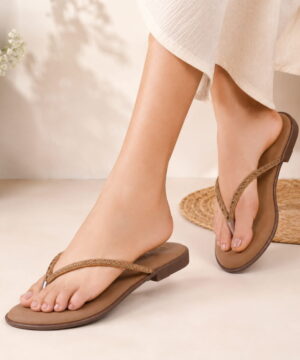
- Tan
- Beige
- Brown
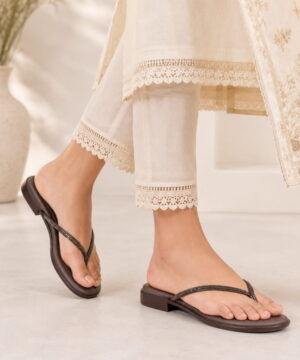
- Black
- White
- Metallic gold
- Silver
Tan and beige sandals work particularly well with cotton dresses, jeans, kurtas and summer separates. Black sandals can create a sharper appearance and work well with darker outfits.
Metallic sandals can transition from daytime ethnic wear to evening occasions, depending on the design.
If your wardrobe contains lots of bright colours and prints, neutral sandals can provide a useful balance.
Flat Sandals for Indian Ethnic Outfits
Flat sandals can complement many Indian summer outfits without making them look overly formal.
They work particularly well with:
- Cotton kurtas
- Kurta-pant sets
- Salwar suits
- Casual sarees
- Palazzo sets
- Lightweight ethnic dresses
- Indo-western outfits
For everyday ethnic wear, minimal leather-look sandals or simple embellished flats can be practical.
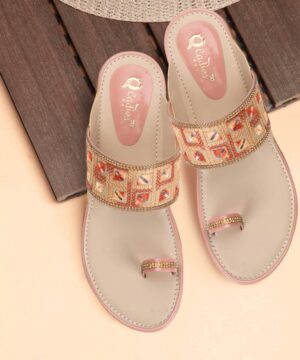
If your outfit contains heavy embroidery or festive detailing, you can choose sandals with metallic accents or subtle embellishment. For daily office or college wear, simpler designs are usually easier to maintain.
Consider Foot Width and Shape
Not every sandal suits every foot shape.
If you have wider feet, look for broader footbeds and adjustable straps instead of squeezing your feet into narrow designs.
If your feet are narrow, adjustable straps can help prevent excessive movement.
Also pay attention to the toe area. Your toes should sit naturally rather than being pushed together or extending beyond the front edge.
If a particular sandal style repeatedly causes discomfort even when the size appears correct, the shape of that design may simply not suit your feet.
Check the Weight
Summer sandals should generally feel light enough for everyday use, but extremely lightweight does not automatically mean better.
A sandal that is too flimsy may provide little stability or protection from rough surfaces.
Pick up the sandal and walk in it. It should feel light enough for comfortable movement while still offering a stable base.
For travel and sightseeing, this balance becomes particularly important because you may be wearing the sandals for several hours.
Think About Monsoon Use
If you plan to continue wearing your summer sandals during the Indian monsoon, consider how the materials respond to water.
Some sandals are easier to clean and dry than others. If a pair gets wet, follow the manufacturer’s care instructions and allow it to dry completely before storing.
Pay particular attention to grip. A sole that feels fine on dry pavement may behave differently on wet surfaces.
If you regularly encounter heavy rain, puddles and slippery pathways, consider buying a dedicated weather-appropriate pair instead of expecting one sandal to handle every condition.
Don’t Buy Solely for Fashion
A trendy sandal can be a great addition to your wardrobe, but comfort should remain important if you intend to wear it frequently.
Before buying, check:
- Does it fit securely?
- Can you walk naturally?
- Are the straps comfortable?
- Does the sole provide enough grip?
- Is the footbed comfortable?
- Can you maintain the material easily?
- Does it suit your daily activities?
A simple sandal that you can comfortably wear for hours is often more useful than an elaborate pair that stays in your cupboard because it hurts.
How to Test Flat Sandals Before Buying
Whether you shop in a store or online, test the footwear carefully.
In a store, walk around for several minutes. Stand still, turn, take longer steps and notice any pressure points.
For online purchases, check the brand’s size chart and measure both feet. Once the sandals arrive, try them indoors on a clean surface before wearing them outside.
Look for immediate signs of poor fit, such as:
- Heel slipping
- Toes extending beyond the footbed
- Side overhang
- Strap rubbing
- Excessive foot movement
- Painful pressure
If the sandal feels wrong immediately, consider an exchange rather than hoping the problem will disappear after repeated wear.
FAQs
1. Are completely flat sandals good for walking all day?
A. Not necessarily. Some flat sandals have very thin soles and may not provide enough cushioning or stability for prolonged walking. If you plan to walk for several hours, choose a sandal with a comfortable footbed, suitable cushioning and adequate sole structure.
2. Which colour of flat sandals is easiest to match with summer outfits?
A. Tan, beige, black and neutral metallic shades are highly versatile. Tan and beige work particularly well with casual dresses and Indian ethnic wear, while black can create a sharper look. Gold or champagne can be useful when you want one pair for both festive and evening outfits.
3. How can I prevent new flat sandals from causing shoe bite?
A. Test them indoors before wearing them for a full day. If a strap rubs a specific area, use an appropriate protective blister patch or adjust the strap if possible. Do not ignore significant rubbing or pain simply because the sandals are new.
4. What should I look for in sandals for Indian summers?
A. Prioritise a comfortable fit, breathable construction, a secure footbed, suitable cushioning and good grip. If you live in a humid or rainy area, also consider how easily the material can be cleaned and dried. For long outdoor use, choose durability and stability alongside appearance.