How to Select the Perfect Wedding Footwear
A wedding outfit may get all the attention, but the wrong footwear can make even the most beautiful look difficult to enjoy. Imagine wearing stunning heels with your lehenga, only to feel pain before the main ceremony begins—or choosing elegant juttis that start rubbing your heels after an hour of walking and dancing. At an Indian wedding, where celebrations can continue for several hours and sometimes across multiple days, footwear has to do much more than look attractive.
The perfect wedding footwear should complement your outfit, suit the venue, provide enough support and remain comfortable for the amount of standing, walking and dancing you expect. Whether you are the bride, groom, bridesmaid, family member or guest, choosing footwear early also helps you get the outfit length right. From embellished juttis and mojaris to block heels, wedges and formal shoes, here is how to select wedding footwear that looks stylish without turning the celebration into a test of endurance.
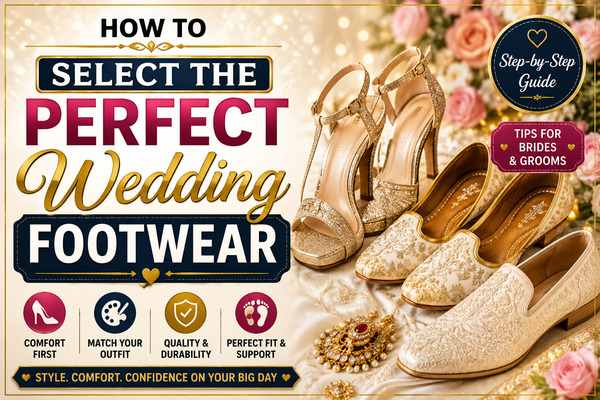
Wedding Footwear at a Glance
| Factor | What to Consider |
|---|---|
| Outfit | Saree, lehenga, sherwani, suit or Indo-western wear |
| Venue | Ballroom, lawn, beach, farmhouse or banquet hall |
| Comfort | Cushioning, toe space, secure fit and stability |
| Heel type | Block heels and wedges offer greater stability |
| Colour | Coordinate rather than match exactly |
| Embellishment | Balance with the detailing on your outfit |
| Wedding duration | Choose footwear suitable for long wear |
| New footwear | Test and wear indoors before the event |
| Backup option | Keep comfortable flats or sandals available |
Start with Your Wedding Outfit
Your footwear and outfit should feel like parts of the same look rather than two separate purchases.
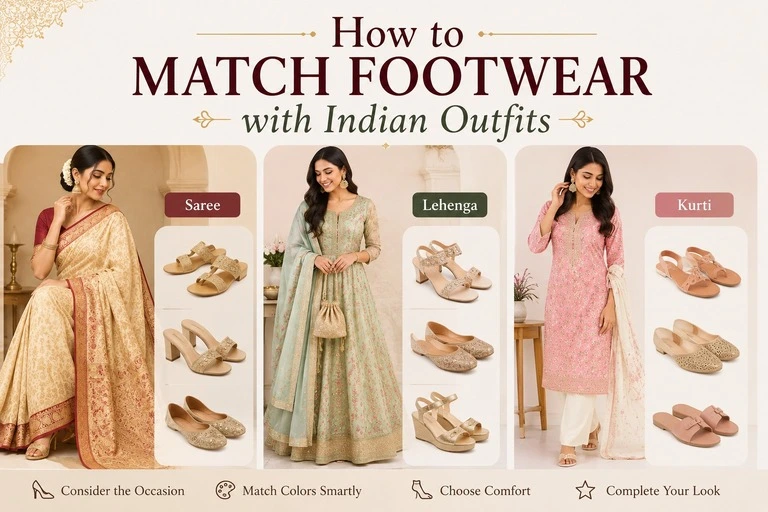
With a heavily embroidered lehenga, you may not need equally elaborate shoes. Gold, champagne, beige or subtly embellished footwear can complement the outfit without competing with it.
For sarees, consider both the fabric and formality. Silk and heavily embellished sarees work beautifully with dressy heels, metallic sandals or ornate flats, while lighter cotton, linen and contemporary sarees can be paired with simpler footwear.
Men wearing sherwanis, bandhgalas or formal kurta sets can consider mojaris or other refined traditional footwear. Loafers may work better with contemporary Indo-western outfits.
Most importantly, wear your intended footwear during outfit trials so the lehenga, saree or trousers can be adjusted to the correct length.
Choose Comfort Before Heel Height
Wedding photographs may last minutes, but the celebration can continue for hours.
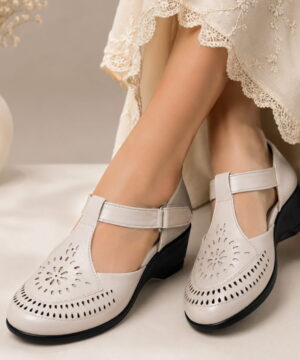
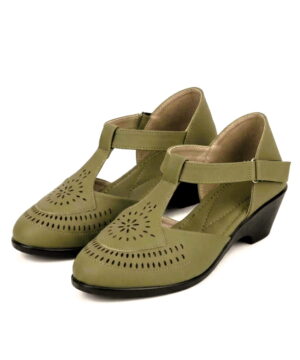
Very high heels can look glamorous, but they may not be the best choice if you expect to spend most of the event standing, walking or dancing. Moderate block heels can provide height while offering a broader, more stable base.
Kitten heels are another elegant choice when you want a small lift. Wedges may work particularly well for some outdoor functions.
If you rarely wear high heels, your wedding day is not the ideal occasion to suddenly spend eight hours in them.
Match Footwear to the Wedding Venue
Venue conditions should influence your choice more than many people realise.
Thin stilettos can be difficult to manage on lawns and other soft or uneven surfaces because the heel may sink into the ground. For a farmhouse wedding, outdoor mehendi or garden function, block heels, wedges, juttis or flat sandals can be more practical.
For a hotel ballroom or indoor banquet hall with smooth flooring, you have greater freedom to choose delicate heels.
Beach weddings require another approach. Flat sandals and suitable wedges are generally easier to manage than narrow heels on sand.
Also consider the journey from your vehicle to the venue. A shoe that works perfectly inside the hall still has to get you through parking areas, pathways and entrances.
Pick the Right Footwear for a Lehenga
Lehengas often have long, heavy skirts, making footwear height particularly important.
If your lehenga has been altered while you were wearing heels, switching to completely flat footwear can cause the hem to drag. Decide your approximate heel height before final alterations.
Block heels are a practical option when you want additional height and stability. Embellished juttis can work beautifully when comfort is the priority, particularly for mehendi and sangeet functions.
If the lehenga is heavily decorated, consider simpler footwear in a complementary metallic or neutral shade. With a relatively minimal lehenga, more decorative shoes can become an interesting styling detail.
Select Footwear Carefully with a Saree
Saree footwear should allow you to walk naturally without constantly stepping on the hem.
Block heels, kitten heels and elegant sandals can work with formal sarees, while sophisticated flats are useful for people who prefer to avoid heels.
Again, footwear should ideally be selected before the final saree drape or blouse-and-saree trial. The height of your shoes affects where the saree falls.
For long ceremonies where you may need to sit and stand repeatedly, prioritise a stable shoe that remains securely on your foot.
Consider Juttis and Mojaris for Traditional Looks
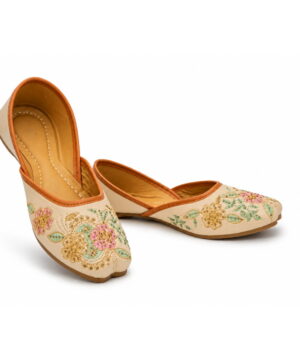
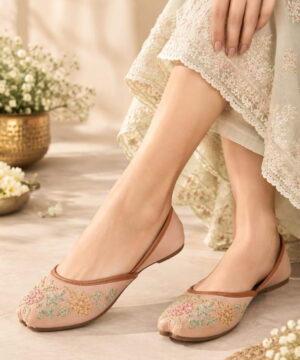
Juttis and mojaris are among the most versatile choices for Indian weddings. They complement lehengas, suits, sherwanis, kurtas and several Indo-western combinations.
Today’s wedding styles range from relatively minimal leather designs to pairs featuring embroidery, zari, beads, sequins and mirror work.
However, traditional-looking does not automatically mean comfortable. Check the internal seams and edges for rough areas that could rub against your skin.
Wear new juttis around the house on a clean floor before the wedding. If they cause significant pressure or rubbing immediately, consider another size or style instead of assuming they will eventually become comfortable.
Coordinate Colours Instead of Matching Exactly
Your wedding shoes do not need to be the exact colour of your clothes.
For example, a maroon lehenga with gold embroidery can work beautifully with antique-gold footwear. Pastel outfits can be paired with champagne, nude, beige or subtle metallic shades.
Useful wedding footwear colours include:
- Gold and antique gold
- Champagne
- Silver
- Beige and nude tones
- Tan or brown for selected men’s and daytime outfits
- Black for suitable formal or Indo-western looks
If your outfit and jewellery already contain plenty of detail, simpler footwear can prevent the overall look from becoming visually crowded.
Check the Fit Properly Before Buying
Wedding shoes should feel secure without squeezing your feet.
Walk around while trying them on rather than judging the fit while sitting. Your toes should not feel painfully compressed, and your heel should not repeatedly slip out.
If shopping online, measure your feet and compare the measurement with the specific brand’s size chart. Do not assume that your usual size will fit identically across every brand.
Try wedding footwear later in the day when possible, as feet can become slightly fuller after hours of activity.
Test New Wedding Shoes Before the Big Day
Never save brand-new footwear untouched for the wedding day.
Wear it indoors for short periods beforehand. Walk, stand and practise basic movements so you can identify rubbing, unstable straps or uncomfortable pressure points.
For heels, practise walking in the outfit if possible. Heavy lehengas and long sarees can change the way you naturally move.
Avoid aggressive DIY stretching methods involving excessive heat or water, particularly with expensive embellished, leather or delicate wedding footwear.
Keep a Backup Pair Ready
A backup pair is one of the simplest ways to stay comfortable during a long Indian wedding.
Brides can keep embellished flats, juttis or comfortable sandals nearby after wearing statement heels for the ceremony and photographs. Guests who plan to dance can do the same.
Choose backup footwear that still coordinates with your outfit so changing shoes does not suddenly make the look feel incomplete.
Remember that switching from high heels to flats may affect the length of a lehenga or saree, so test this beforehand.
FAQs
1. Which type of footwear is most comfortable for an Indian wedding?
Comfort depends on individual fit, but properly fitted juttis, cushioned flats, moderate block heels and some wedges can be practical for long celebrations. Choose according to your foot shape, outfit and venue.
2. Should wedding shoes match the lehenga exactly?
No. Coordinating usually looks more sophisticated than exact matching. You can pick up the gold, silver or another accent colour from the embroidery, jewellery or dupatta.
3. How many pairs of footwear does a bride need?
There is no fixed number. One well-chosen pair may be enough for a shorter function, while brides with multiple ceremonies often prefer different footwear for events such as mehendi, sangeet and the main wedding. Keeping one comfortable backup pair is particularly useful.
4. What wedding footwear is best for an outdoor lawn?
Block heels, wedges, juttis and dressy flats are generally easier to manage on lawns than narrow stilettos. Consider the actual ground conditions and choose a sole with appropriate stability and grip.