How to Make New Shoes Comfortable Quickly
There is a special kind of disappointment in buying a beautiful new pair of shoes, wearing them for the first time, and discovering within an hour that your heel is rubbing, your toes feel squeezed, or the sole feels unusually stiff. In India, this often happens at the worst possible time—during a wedding, a full office day, a shopping trip or a festival where you may be standing for hours.
The good news is that some new shoes can become more comfortable with a little preparation. But there is an important difference between slightly stiff new footwear and shoes that simply do not fit. A correctly fitting shoe should not require painful “breaking in.” The safest approach is to wear new shoes gradually, identify friction points early and use simple comfort aids where appropriate.
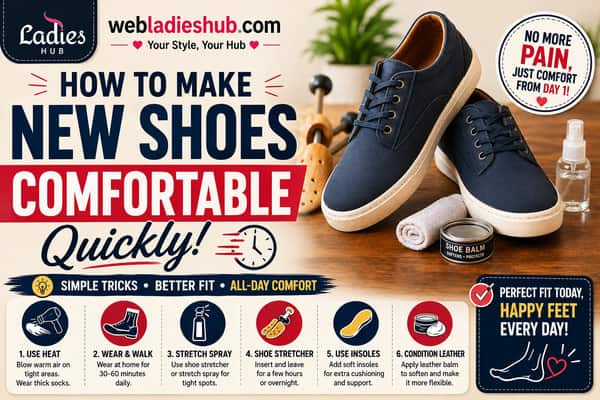
Here is how to make new shoes comfortable quickly without damaging the footwear—or your feet.
Quick Overview
| Problem | Practical Fix |
|---|---|
| New shoes feel stiff | Wear them indoors for short periods |
| Heel rubbing | Try heel grips or protective padding |
| Minor friction | Wear suitable socks and protect hot spots |
| Shoes feel loose | Adjust laces/straps or use suitable inserts |
| Hard underfoot feel | Consider cushioned insoles if there is enough room |
| Toes feel cramped | Recheck size, width and toe-box shape |
| Shoes needed for an event | Test them several days beforehand |
| Blister develops | Stop wearing the pair until the skin heals |
1. Wear New Shoes at Home First
Do not make an eight-hour office day or a family wedding the first proper outing for new footwear.
Wear the shoes around your home for short periods. Start with around 20–30 minutes and gradually increase the duration if your feet remain comfortable. Walk normally, climb a few stairs and spend some time standing.
This helps you identify exactly where the shoe rubs or presses while keeping the soles clean in case you decide to exchange the pair.
The goal is not to force painfully tight shoes to stretch. It is to become accustomed to footwear that already fits reasonably well.
2. Check Whether the Shoes Actually Fit
Before trying hacks to make shoes comfortable, ask a more important question: Are they the correct size and shape for your feet?
Your toes should have enough room to move naturally rather than being squeezed together. The heel should feel secure without excessive rubbing, and your foot should not bulge significantly over the sides.
Also remember that both feet may not be identical in size. Fit your shoes according to the larger foot.
If your toes are hitting the front, the sides are painfully tight or your foot is constantly slipping, exchanging the size or choosing another shoe shape is usually better than trying to “break in” a bad fit.
3. Wear the Socks You Will Actually Use
Socks can significantly change how a shoe feels.
When breaking in sneakers, boots or formal shoes, wear the type of socks you plan to use normally. Well-fitting socks can reduce direct friction between the shoe and your skin.
For sports or long walking sessions, moisture-wicking socks can be particularly useful because sweaty feet may increase friction.
Avoid using extremely thick socks simply to force tight shoes to stretch. If adding a normal sock makes the footwear painfully tight, there may not be enough room inside the shoe.
4. Protect Common Friction Points
The back of the heel and sides of the toes are common areas where new footwear can rub.
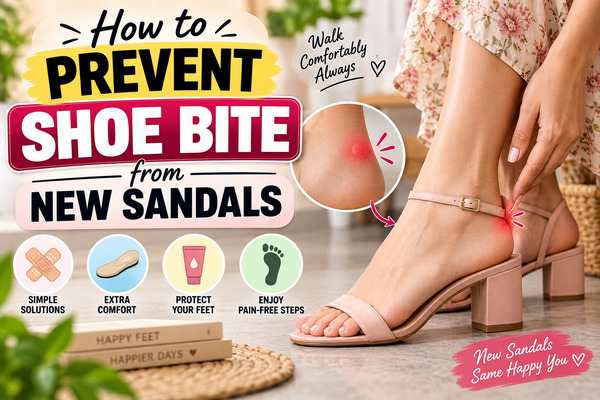
If you notice a “hot spot” before a blister forms, stop and deal with it early. Protective padding, moleskin or an appropriate blister plaster can reduce direct friction.
Heel grips may also help when a shoe fits reasonably well but causes minor rubbing at the back. However, adding a thick heel grip to an already tight shoe can reduce available space and make the problem worse.
Use padding to solve a specific friction problem—not to compensate for the wrong shoe size.
5. Try Cushioned Insoles for Hard Shoes
Sometimes the size is correct but the shoe feels hard underfoot.
A thin cushioned insole may make certain casual shoes, sneakers, boots or formal shoes more comfortable. Forefoot cushions can also provide targeted padding in suitable footwear.
Before adding an insole, check how much internal space is available. A thick insert raises your foot inside the shoe and can make the toe box tighter or cause your heel to rub against the collar.
If the footwear already includes a removable insole, check whether your replacement is intended to substitute for it rather than sit on top.
6. Adjust the Laces or Straps Properly
Many people blame the size when the real problem is poor adjustment.
With sneakers and lace-up shoes, loosen the laces fully before putting your foot inside and then tighten them gradually. The shoe should feel secure around the midfoot without excessive pressure.
With sandals and heels, adjust buckles and ankle straps so the foot remains stable but circulation is not restricted.
Proper fastening also helps prevent your foot from sliding repeatedly inside the shoe, which can contribute to rubbing and blisters.
7. Be Careful With DIY Stretching Hacks
Online advice often recommends hair dryers, freezing water inside shoes, soaking footwear or aggressively bending new shoes.
These methods are risky. Heat, excessive water and force can damage adhesives, coatings, leather finishes, synthetic materials and the overall shape of footwear.
If an expensive leather shoe needs a small professional adjustment, a reputable shoe repair specialist may be a safer choice.
More importantly, do not attempt major stretching when a shoe is clearly too small. Shoes should fit properly when purchased rather than requiring painful modification.
8. Prepare New Shoes Before a Wedding or Party
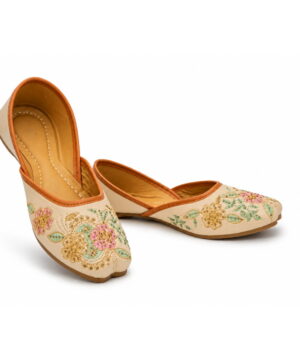
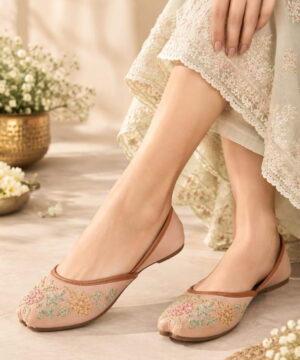
If you have bought heels, juttis, mojaris or formal shoes for an Indian wedding, start testing them several days before the function.
Wear them indoors for short sessions and pay attention to the heel, little toe and any decorative seams that touch your skin. Walk in the footwear with the same type of socks or stockings you intend to wear, where applicable.
For a long wedding, keeping comfortable flats, sandals or another familiar pair in the car or your bag can be a sensible backup.
This is especially useful for events involving dancing, long queues, large venues or extended standing.
9. Don’t Ignore Blisters or Persistent Pain
If a new shoe starts causing pain, redness or significant rubbing, take it off rather than trying to “push through” the discomfort.
If a blister develops, avoid wearing the footwear that caused it until the affected skin has healed. Keep the area clean and appropriately protected, and avoid deliberately bursting an intact blister.
Repeated numbness, significant swelling, persistent pain or recurring skin damage should not be treated as a normal part of wearing new shoes. Consider getting the footwear fit checked and seek professional medical advice if symptoms continue.
People with diabetes, reduced sensation or circulation problems should be particularly careful about footwear-related rubbing and skin injuries.
10. Know When to Return the Shoes
Not every uncomfortable pair can or should be fixed.
Consider exchanging or returning new shoes when they are obviously too short, excessively narrow, cause strong pressure in one area or allow your heel to move excessively despite normal adjustment.
This is another reason to test footwear indoors before wearing it outside. Keep the box, tags and packaging intact until you are confident about the fit, and check the retailer’s return conditions.
A shoe that fits your foot shape properly will usually be a better long-term purchase than one that requires constant padding and adjustment.
FAQs
1. How long does it take for new shoes to become comfortable?
There is no fixed period. Slightly stiff footwear may feel more familiar after several short wears, but shoes that are painfully tight should not require weeks of suffering. If the size or shape is wrong, consider exchanging them.
2. Can I use a hair dryer to loosen tight shoes?
It is better to avoid aggressive heat-based stretching. Heat can affect adhesives and damage some leather, synthetic materials and finishes. If shoes need substantial stretching, recheck the size or consult a professional shoe repair specialist.
3. How can I stop new shoes from giving me blisters?
Start with short indoor wears, use properly fitting socks where appropriate and protect known friction points with suitable padding. Stop wearing the shoes if you notice persistent rubbing or a painful hot spot.
4. What should I do if new shoes hurt my toes?
Check the length, width and toe-box shape. Your toes should not be tightly compressed or repeatedly hit the front of the shoe. If they do, changing the size, width or shoe style is generally more sensible than trying to force the footwear to stretch.