How to Choose Footwear for Different Foot Types
Finding the right footwear is not just about style—it is about comfort, support, and foot health. Many people experience foot pain, discomfort, or fatigue simply because they wear shoes that do not match their foot type. Understanding your feet can help you choose footwear that provides better comfort and long-lasting support.
In this guide, we answer the most common questions about choosing footwear for different foot types.
FAQ: How to Choose Footwear for Different Foot Types
1. How do I know my foot type?
There are generally three common foot types:
- Flat Feet – The arch is very low or absent.
- Normal Arch Feet – A balanced and natural arch.
- High Arch Feet – The arch is raised higher than average.
A simple wet-foot test can help identify your foot type. Wet your feet and step on a piece of paper. The footprint will show how much of your arch touches the ground.
2. What footwear is best for flat feet?
People with flat feet often experience overpronation, where the feet roll inward while walking.
Recommended footwear:
- Arch support sandals
- Orthopedic footwear
- Cushioned flats
- Supportive wedge sandals
- Stability shoes
Look for footwear with strong arch support and cushioned footbeds to reduce strain on your feet.
3. Which footwear works best for high arches?
High arches can place extra pressure on the heel and ball of the foot, leading to discomfort.
Recommended footwear:
- Soft cushioned sandals
- Memory foam footwear
- Flexible sole shoes
- Comfortable wedges
- Shock-absorbing slippers
Choose footwear with extra cushioning to distribute pressure evenly.
4. What footwear should people with wide feet wear?
Many people with wide feet struggle with tight-fitting shoes that cause blisters and discomfort.
Recommended footwear:
- Open-toe sandals
- Adjustable strap sandals
- Wide-fit flats
- Stretchable footwear
- Slip-on sandals
Avoid narrow-toe designs and choose styles that provide enough room for your toes.
5. What is the best footwear for narrow feet?
People with narrow feet often experience slipping inside their footwear.
Recommended footwear:
- Adjustable buckle sandals
- Ankle-strap heels
- Closed-toe flats
- Secure-fit wedges
Look for adjustable straps that help keep your feet comfortably in place.
6. Which footwear is best for sensitive feet?
Sensitive feet require extra comfort and protection from pressure points.
Recommended footwear:
- Soft cushioned sandals
- Extra-soft slippers
- Orthopedic footwear
- Seamless inner lining shoes
Avoid hard soles and choose footwear with padded insoles for maximum comfort.
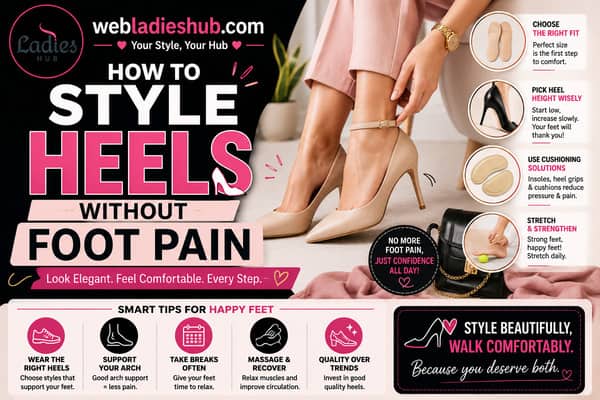
7. Can wearing the wrong footwear cause foot pain?
Yes. Wearing footwear that does not match your foot type can lead to:
- Heel pain
- Arch pain
- Foot fatigue
- Blisters
- Knee and back discomfort
Properly fitted footwear helps improve posture and reduces stress on your joints.
8. How often should I replace my footwear?
Footwear should be replaced when:
- The sole becomes uneven.
- Cushioning starts wearing out.
- Straps become loose.
- You experience discomfort while walking.
Regular replacement ensures proper support and comfort.
Tips for Choosing Comfortable Footwear
- Measure your feet before purchasing.
- Choose breathable materials.
- Prioritize comfort over trends.
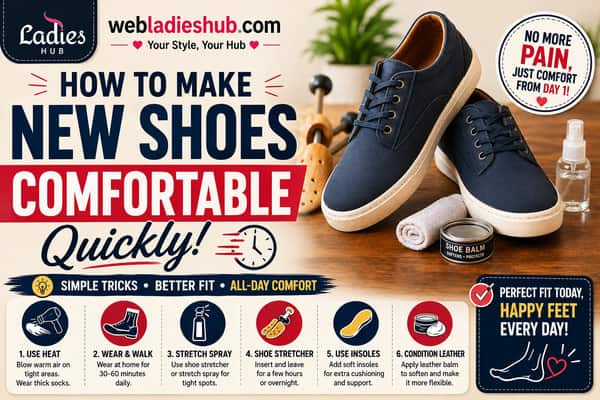
- Look for cushioned footbeds.
- Ensure adequate arch support.
- Select the correct size and width.
- Walk in the footwear before making a final decision.
Conclusion
Choosing footwear for different foot types can significantly improve your comfort and foot health. Whether you have flat feet, high arches, wide feet, or sensitive feet, selecting the right footwear helps prevent pain and supports your daily activities. Always focus on fit, cushioning, and support to enjoy comfortable walking throughout the day.