How to Store Footwear Properly to Increase Lifespan
A good pair of shoes can last for years, but only if it is treated properly after you take it off. Many people carefully clean their footwear yet immediately push it into an overcrowded shoe rack, store it while still damp, or leave expensive heels and leather shoes exposed to dust for months. Over time, these small habits can lead to unpleasant odours, loss of shape, damaged finishes, mould or premature deterioration.
Footwear storage deserves extra attention in India because conditions change dramatically throughout the year. Summer brings heat and sweat, monsoon months create high humidity and moisture, while dust is a year-round problem in many cities. Your everyday sneakers, office loafers, wedding juttis and expensive leather footwear therefore need slightly different care.
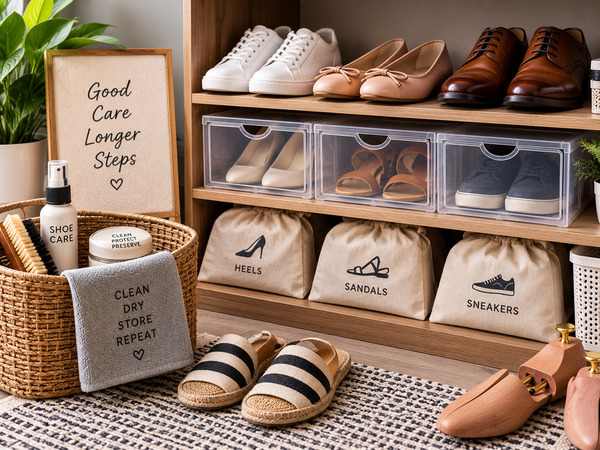
Proper footwear storage does not require a luxurious walk-in wardrobe. A clean, dry and organised space combined with a few simple habits can help your shoes retain their shape, appearance and usability for much longer.
Clean Footwear Before Storing It
Never make a habit of putting visibly dirty footwear straight into long-term storage.
Dust, mud and grime become harder to remove when left for weeks or months. Before storing shoes, remove loose dirt using a suitable soft brush or cloth.
Cleaning should depend on the material:
- Sneakers: Brush away dry dirt and clean according to their material.
- Leather shoes: Wipe with a suitable soft cloth and use appropriate leather-care products where required.
- Suede footwear: Use products and brushes specifically suitable for suede.
- Sandals: Clean the footbed and straps according to the material.
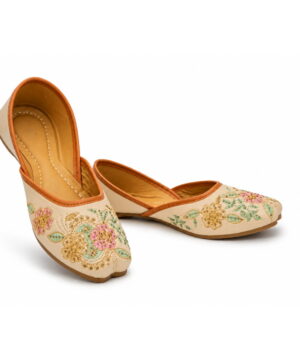
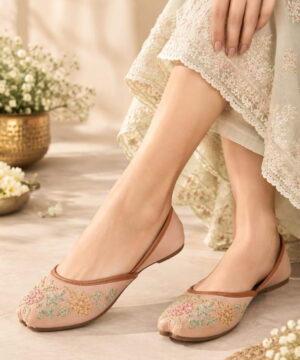
- Juttis and embellished footwear: Remove dust gently without pulling embroidery or decorative work.
Most importantly, make sure cleaned footwear is completely dry before putting it away.
Never Store Damp or Wet Shoes
Moisture is one of the biggest problems in footwear storage, especially during the Indian monsoon.
If your shoes get wet in the rain, do not immediately put them inside a closed cabinet or box. Allow them to dry naturally in a well-ventilated area.
Remove detachable insoles where appropriate and let the inside dry as well. You can lightly fill certain shoes with plain absorbent paper to help manage moisture and maintain shape.
Avoid aggressive drying methods such as:
- Hair dryers
- Room heaters
- Very high direct heat
- Tumble dryers unless specifically permitted by the manufacturer
Excessive heat can affect adhesives, finishes and some synthetic or leather materials.
Choose a Cool, Dry and Ventilated Storage Area
The location of your shoe rack matters.
A closed cabinet in a persistently damp corner may create a poor environment for footwear. Ideally, choose a clean, relatively dry location with reasonable airflow.
Avoid storing valuable footwear:
- Against visibly damp walls
- Near leaking pipes
- In areas exposed to repeated rainwater
- Directly beside strong heat sources
- In prolonged harsh sunlight
- In poorly ventilated spaces with persistent moisture
If you live in a particularly humid region, inspect stored footwear regularly during the monsoon instead of leaving it untouched for months.
Don’t Overcrowd Your Shoe Rack
Trying to fit 20 pairs into a rack designed for 12 may save space temporarily, but it can be hard on your footwear.
When shoes are pushed tightly against each other, uppers can become crushed, embellishments can catch, and structured footwear may lose its original shape.
Keep enough space so each pair can sit naturally.
If your collection is large, organise footwear according to frequency of use:
- Keep daily footwear easily accessible.
- Move occasional footwear to boxes or upper shelves.
- Store seasonal footwear separately.
- Keep expensive occasion wear protected from everyday dust.
Good organisation also prevents you from forgetting pairs at the back of the cupboard.
Use Shoe Trees for Structured Footwear
Shoe trees can be particularly useful for leather dress shoes and other structured footwear.
They help the shoe maintain its form while stored and may reduce the appearance of creasing. Wooden shoe trees can also help manage some residual moisture, although they should not be used as a substitute for properly drying wet footwear.
Choose the correct size. A shoe tree that is excessively large or creates too much tension can distort the shoe rather than protect it.
If shoe trees are not practical for your entire collection, prioritise your more expensive formal footwear.
For delicate occasion shoes, suitable acid-free tissue or soft stuffing may help maintain shape without placing excessive pressure on the upper.
Keep Shoes in Individual Boxes When Appropriate
The original shoe box can be useful for storing footwear that you do not wear frequently.
Boxes protect shoes from dust, accidental scratches and contact with other pairs. This is particularly helpful for:
- Wedding footwear
- Formal heels
- Premium leather shoes
- Embellished juttis
- Special-occasion footwear
- Collectible or expensive sneakers
If you use opaque boxes, attach a simple label or photograph to the outside so you can identify the pair without opening every box.
Clear storage boxes can also make organisation easier, but ensure the storage system is suitable for your environment and does not trap moisture around damp footwear.
Use Shoe Bags for Delicate and Embellished Pairs
Fabric shoe bags are useful for protecting footwear that scratches easily.
They can be particularly helpful for wedding juttis, embroidered footwear, metallic sandals, formal heels and leather shoes.
Store each delicate pair separately so decorative surfaces do not rub against another shoe.
Avoid using ordinary airtight plastic bags for long-term storage of footwear that may contain residual moisture. Trapping humidity inside can create more problems than it solves.
Store Leather Footwear with Extra Care
Leather can remain attractive for years when properly maintained, but poor storage conditions can cause visible deterioration.
Before storing leather footwear for an extended period, clean it according to the manufacturer’s instructions. Depending on the type of leather, an appropriate conditioner may occasionally be useful.
Keep leather shoes away from prolonged direct sunlight and excessive heat, which can affect their appearance and condition.
During humid months, inspect them periodically for signs of moisture or mould. If you own expensive leather footwear, follow the brand’s specific storage and care recommendations because different finishes may require different treatment.
Protect Sneakers from Dust and Moisture
Sneakers often become everyday footwear, which means they collect sweat, dust and road grime more frequently.
Before storing a pair after a long day, allow it to air out instead of immediately sealing it inside a box. If removable insoles are damp, let them dry properly.
For long-term sneaker storage:
- Clean visible dirt first.
- Make sure the interior is dry.
- Keep laces reasonably clean.
- Avoid stacking heavy items on top.
- Support the shape if necessary.
- Keep them away from excessive heat and moisture.
White sneakers deserve particular attention because dust and stains become highly visible after prolonged storage.
Take Special Care of Wedding Footwear
Indian wedding footwear often spends most of the year in storage. Juttis, mojaris and embellished heels may be worn for one function and then forgotten until the next wedding season.
Before putting them away, check for dust, moisture and stains. Make sure the pair is completely dry.
Wrap or bag individual shoes appropriately so beads, stones, sequins and embroidery do not rub against each other.
Avoid placing heavy footwear on top of delicate juttis or heels. Store them in a way that protects their shape and decorative work.
Take occasion footwear out periodically and inspect it rather than leaving it untouched for several years.
Rotate Your Daily Footwear
Proper storage is not only about shoes you rarely wear.
If possible, rotate between two or more pairs of daily footwear. This gives each pair time to air and dry between uses, especially if your feet sweat during long office days or commutes.
A practical rotation might include:
- Sneakers for heavy walking
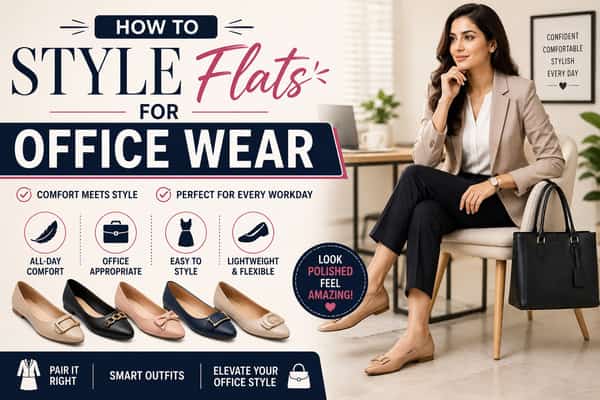
- Loafers or flats for the office
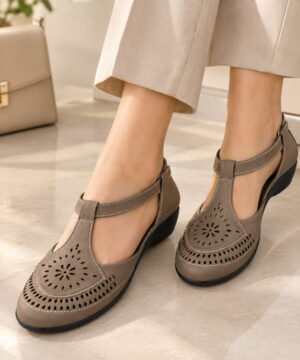
- Sandals for casual outings
- Weather-appropriate footwear for monsoon days
Allowing footwear to rest and dry naturally can help keep the inside more comfortable and reduce persistent odours.
Control Moisture During the Monsoon
Monsoon storage requires additional attention because indoor humidity can remain high even when footwear does not get directly wet.
Moisture-control products such as silica gel or other suitable desiccants may be useful in some storage spaces. Follow their usage instructions carefully and keep such products safely away from children and pets.
Do not assume a moisture absorber means wet footwear can be stored immediately. Shoes should still be dried properly first.
Open and inspect storage areas regularly. Persistent musty smells, visible dampness or mould indicate that the storage environment needs attention.
Avoid Common Footwear Storage Mistakes
Even expensive footwear can deteriorate quickly because of poor storage habits.
Try to avoid:
- Storing shoes while wet or sweaty
- Keeping footwear in direct sunlight for long periods
- Crushing shoes under heavier pairs
- Using unsuitable cleaning chemicals before storage
- Keeping dirty shoes boxed for months
- Stuffing shoes excessively and distorting their shape
- Ignoring stored footwear throughout the humid season
- Keeping delicate embellished pairs unprotected
- Storing shoes next to damp walls
A few minutes of care after wearing footwear can prevent much more time and expense later.
Check Stored Shoes Regularly
Long-term storage should not mean forgetting about footwear completely.
Every few months—or more frequently in humid conditions—check valuable or rarely worn pairs. Look for moisture, mould, peeling, discolouration, unusual odour or changes in the sole and upper.
Before wearing footwear that has been stored for a very long time, inspect the sole, adhesives, straps and other structural components. Materials and adhesives can deteriorate with age even when the shoes have barely been worn.
This is especially important before relying on an old pair for a wedding, long trip or full day outside.
FAQs
1. Is it better to store shoes in boxes or on an open rack?
Both can work depending on the footwear and environment. Open racks are convenient for frequently used shoes and can provide airflow, while boxes protect occasional footwear from dust and accidental damage. In either case, footwear should be clean and completely dry before storage.
2. How should I store shoes during the Indian monsoon?
Dry footwear completely before putting it away, choose a well-ventilated storage area and regularly check for moisture or mould. Suitable moisture absorbers can be used according to their instructions, but they should not replace proper drying and ventilation.
3. Can I store shoes in plastic bags for a long time?
Ordinary airtight plastic bags are generally not ideal if there is any residual moisture, as they can trap humidity. Breathable shoe bags or appropriate storage boxes are often better for delicate footwear, depending on the material.
4. How should expensive wedding juttis and heels be stored?
Clean and completely dry them first. Protect each pair with a suitable shoe bag, tissue or box, and avoid placing heavy objects on top. Keep embellished surfaces from rubbing together and inspect the footwear occasionally during long periods of storage.